When choosing an enterprise-level, all-in-one SEO platform, the decision almost always comes down to two dominant industry giants: Ahrefs and Semrush. Both platforms offer robust crawling tech, expansive keyword databases, backlink tracking, and competitive research capabilities.
However, their underlying strengths, data collection methodologies, and user experience differ significantly. In this detailed 2026 head-to-head comparison, we evaluate Ahrefs and Semrush across site auditing, backlink analysis, keyword research, and pricing to help you decide which tool fits your strategy.
Feature Comparison Overview
| Feature / Category | Ahrefs | Semrush |
|---|---|---|
| Core Strength | Backlink index precision & intuitive UX | Comprehensive digital marketing & PPC suite |
| Site Audit Tech | Ahrefs Site Audit (JS rendering support) | Semrush Site Audit (Detailed health scoring) |
| Keyword Research Tool | Keywords Explorer | Keyword Magic Tool |
| PPC & Advertising Data | Basic paid search insights | Extensive ad copy & search intent metrics |
| Rank Tracking | Rank Tracker (Daily/Weekly updates) | Position Tracking (Daily updates standard) |
| Free Webmaster Tools | Ahrefs Webmaster Tools (AWT) available | Limited free tier access |
1. Ahrefs: Deep Dive
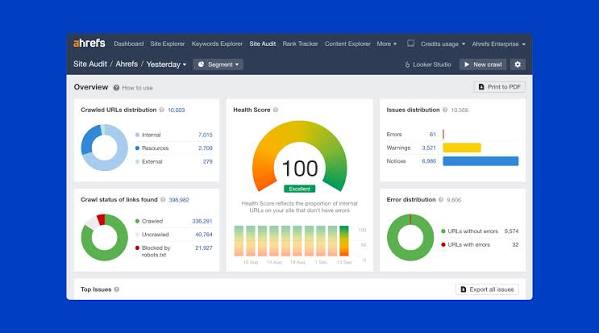
Ahrefs Site Explorer delivering clean link index metrics and organic search performance charts.
Ahrefs built its reputation as the gold standard for backlink analysis. Over the years, it evolved into a complete SEO platform featuring powerful crawling infrastructure and an ultra-clean UI favored by technical SEOs and affiliate publishers.
Key Advantages of Ahrefs:
- Unmatched Link Index Accuracy: Highly reliable live and historical backlink data with low false-positive rates.
- Content Explorer: Excellent tool for discovering high-performing content ideas and link-building opportunities based on social shares and domain rating.
- Ahrefs Webmaster Tools (AWT): Provides website owners with free, full-site technical audits and search queries for verified domains.
- Clean User Interface: Minimalist design that allows fast data navigation without visual clutter.
Drawbacks:
- Credit-based consumption model can penalize heavy power users exploring large datasets.
- PPC and local SEO features are less extensive compared to Semrush.
2. Semrush: Deep Dive
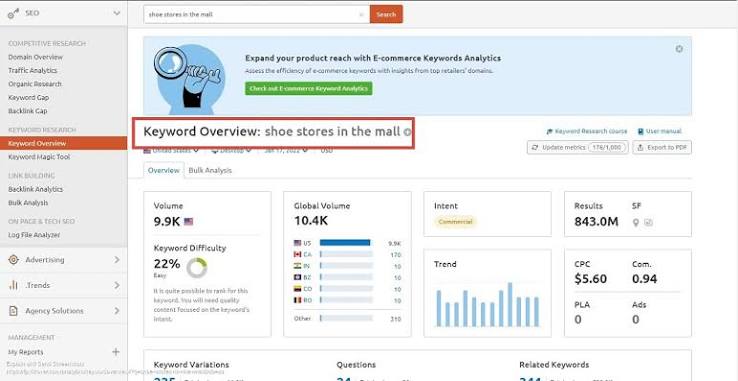
Semrush Keyword Magic Tool organizing search intent categories and SERP feature opportunities.
Semrush positions itself as an all-in-one digital marketing suite that goes far beyond organic search. In addition to technical SEO and keyword tracking, it provides deep pay-per-click (PPC) competitor data, content marketing toolkits, and social media management tools.
Key Advantages of Semrush:
- Keyword Magic Tool: Widely regarded as one of the largest keyword databases available, complete with clear Search Intent classifications (Informational, Navigational, Commercial, Transactional).
- Comprehensive Technical Site Audit: Provides highly actionable error categorizations, prioritizing crawlability, speed, and schema errors.
- PPC & Advertising Intelligence: Offers unmatched insights into competitor Google Ads budgets, ad copy history, and display advertising strategies.
- Daily Rank Tracking: Included across standard plans without strict extra fees for daily refreshes.
Drawbacks:
- The massive array of sub-tools can lead to a steeper learning curve for beginners.
- Interface can occasionally feel dense due to the sheer volume of features.
Final Verdict: Which Tool Should You Choose in 2026?
- Choose Ahrefs if: Your strategy revolves heavily around backlink acquisition, technical site auditing, competitive content analysis, and clean UI navigation.
- Choose Semrush if: You want a complete digital marketing toolkit that covers technical SEO, keyword intent clustering, daily rank tracking, and competitor PPC research under one roof.



0 Comments